The PF940v2 frame has become a focal point for enthusiasts who value customization, ergonomics, and the ability to tailor a full-size, Glock-compatible platform to specific performance goals. Whether the objective is improved handling on the range, a competition-ready setup, or a training pistol configured to personal preferences, this frame design represents a modern approach to polymer durability and shooter-centric features. As with any firearm-related project, it is critical to prioritize legal compliance, safe practices, and responsible ownership at every step. Regulations change, and requirements vary by state and locality, so informed decision-making and adherence to all applicable laws are essential. For shoppers comparing brands and specifications, it’s wise to review product listings, warranty support, and shipping policies, and to confirm that the chosen components align with both the intended use and legal parameters in one’s area. Those exploring the pf940v2 frame should also evaluate training plans, storage solutions, and range access to ensure a complete, responsible experience.
Design, Ergonomics, and Materials: What Sets the PF940v2 Frame Apart
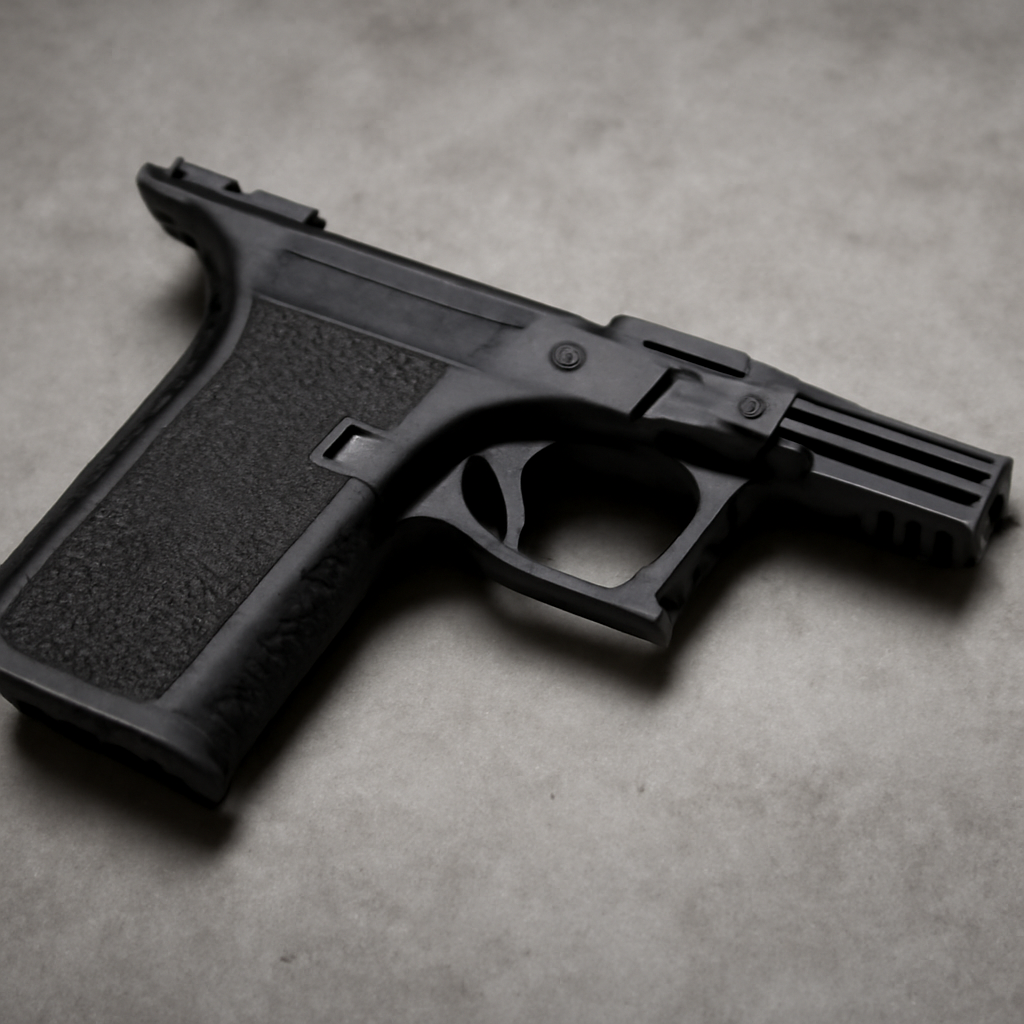
A defining advantage of the PF940v2 concept is the emphasis on shooter ergonomics baked into a durable polymer construction. The grip profile typically offers a straighter, 1911-inspired angle compared to many traditional striker-fired pistols, encouraging a more natural point of aim for a broad range of hand sizes. Shooters often note how this angle, paired with a raised beavertail, helps manage muzzle rise and promotes a high, confident purchase on the pistol. Many variants feature a double undercut trigger guard, allowing the support hand to lock in closer to the bore axis, contributing to flatter tracking during strings of fire. Textured grip panels and molded indexing ledges further support consistent hand placement and repeatable contact under recoil. Together, these details create a synergy that can feel immediately intuitive during both dry-fire practice and live-fire sessions.
Polymer composition and internal reinforcement have evolved significantly, too. The modern PF940v2 frame ethos focuses on balancing rigidity and resilience so that the pistol maintains structural integrity over time without imposing unnecessary weight. The result is a platform that pairs well with a variety of slide and barrel configurations without feeling front-heavy or sluggish on target transitions. On a full-size setup, the extra length in the dust cover area can help stabilize the gun’s movement, while still remaining nimble enough for competition and defensive training contexts. Even without diving into the technical minutiae of assembly, it’s apparent that the framework supports precision by giving shooters a consistent interface: tactile grip texture, intuitive control reach, and repeatable indexing that rewards proper fundamentals.
From a user-experience standpoint, the Glock-compatible ecosystem makes the PF940v2 philosophy especially compelling. Shooters can fine-tune the trigger feel by selecting compatible, reputable components; they can adjust sighting systems for daylight or low-light applications; and they can pick slides tailored for optic-ready configurations. These choices matter less for novelty and more for how they translate into practical improvements—cleaner breaks, faster sight acquisition, and sustained control over extended sessions. For long-term reliability and safety, owners should always follow manufacturer recommendations for parts pairing, function checks, and maintenance schedules. If in doubt, consulting a qualified armorer or gunsmith is a sound way to align ergonomic aspirations with dependable performance—all while staying squarely within the bounds of current law and industry best practices.
Compatibility and Customization: Building a Cohesive, Glock-Pattern System
Compatibility is a central attraction of the PF940v2 frame, which is designed around a full-size, Gen3-pattern Glock ecosystem. In practice, that means the frame concept pairs with a wide range of Glock-style slides, barrels, and small parts built to Gen3 specifications across common calibers such as 9mm and .40 S&W. Because tolerances and design cues vary among manufacturers, it’s prudent to consult compatibility charts and product notes from trusted sources before selecting components. Choosing reputable parts reduces the risk of misalignment, intermittent malfunctions, or fitment quirks that can arise when mixing brands with different geometry assumptions. It’s also wise to consider the end goal—whether a consistent training pistol, a competition-focused configuration, or a general-purpose range gun—then tailor the slide mass, sight height, and recoil spring weight accordingly using parts specifically marketed for Gen3-pattern builds.
Optics readiness has become nearly universal across the aftermarket, and the PF940v2 approach blends well with milled slides that accept popular micro red dots. Pairing an optic-ready slide with a robust mounting plate can improve target transitions and speed up the learning curve for new red-dot shooters. For iron-sight purists, there’s ample room to experiment with serrated rear sights, fiber-optic fronts, or taller sets that co-witness with slide-mounted optics. Trigger systems are another focal point. Within the Glock-compatible parts market, options range from duty-appropriate triggers with conservative pull weights to competition-centric designs emphasizing a crisp wall and short reset. The key is to select components that support the intended role, maintain safe operation, and pass reliable function checks under live fire.
Beyond the fire-control and sighting systems, accessories like magazine wells can help with reload speed, while grip backstraps and wraparound textures can fine-tune hand fit. Holster compatibility should be evaluated early, particularly when planning for light-bearing setups, compensators, or extended controls that may change the gun’s external profile. Whichever path the owner takes, routine safety checks, proper lubrication, and quality ammunition remain non-negotiable. Many enthusiasts also lean on local ranges and professional instructors to validate settings, troubleshoot minor issues, and reinforce best practices. If questions persist—especially where specifications or tolerances are involved—consulting a qualified professional helps ensure that customization delivers the expected benefits in accuracy, comfort, and long-term reliability, all while complying with the most up-to-date legal requirements surrounding frames and receivers.
Compliance, Responsibility, and Real-World Use Cases for the PF940v2 Platform
Responsible ownership underpins every discussion of the PF940v2 frame. Regulatory frameworks have evolved, particularly around the definitions of frames, receivers, and build kits. In the United States, federal and state rules may require serialization, background checks, and transfers through a Federal Firearms Licensee (FFL) for certain frame or kit configurations. Some jurisdictions impose additional restrictions or outright prohibitions. Because these rules change and can be highly specific, buyers should verify current federal, state, and local laws before acquiring any related components and should only obtain products in the manner prescribed by law, including completing any required FFL transfers. When in doubt, consult an attorney well-versed in firearms regulations or speak with a knowledgeable FFL who can explain local requirements and documentation. Equally important, users should adhere to all safe-handling protocols, invest in secure storage, and commit to ongoing training that emphasizes safety and proficiency.
Consider a real-world scenario: a competitive shooter working with a full-size platform wants to smooth recoil impulse, improve grip consistency, and reduce split times on plate racks. By choosing a PF940v2-style frame that emphasizes a straighter grip angle, a pronounced beavertail, and a double undercut trigger guard, the shooter can cultivate a firmer, higher grip that stabilizes the pistol during rapid-fire strings. Pairing that frame concept with a quality, Gen3-pattern slide, a consistent trigger system, and a properly maintained recoil assembly, the competitor can build a firearm configuration—procured and transferred in full compliance with applicable law—that reflects their performance goals. After confirming the setup through supervised range sessions, the shooter locks in the fundamentals: high-tang grip, steady trigger control, and a repeatable presentation that capitalizes on the platform’s ergonomics. The net effect is smoother transitions, faster sight return, and improved shot-to-shot cadence without sacrificing safety or reliability.
Training and maintenance complete the picture. Dry-fire routines reinforce the improved grip geometry and indexing, while live-fire drills validate that component choices hold up under stress. Safe transportation to and from the range, appropriate eye and ear protection, and adherence to range rules are all essential. Owners should also maintain clear records of transfers, serial numbers (where required), and any service performed by a qualified professional. When selecting holsters, magazines, and ancillary gear, choose products known to mesh with full-size Glock-pattern dimensions. Finally, recognize that customization is not a shortcut to skill. The PF940v2 frame platform can complement good technique, but consistent practice, responsible handling, and respect for the law are what ultimately translate equipment potential into confident, competent performance.

Born in Sapporo and now based in Seattle, Naoko is a former aerospace software tester who pivoted to full-time writing after hiking all 100 famous Japanese mountains. She dissects everything from Kubernetes best practices to minimalist bento design, always sprinkling in a dash of haiku-level clarity. When offline, you’ll find her perfecting latte art or training for her next ultramarathon.