In Central Texas, your roof works overtime. Between blazing summers, sudden windstorms, and the occasional hail event, structures in Cedar Park and nearby communities need durable, well-installed roofing to stay safe, efficient, and appealing year-round. Choosing the right Cedar Park roof contractor isn’t just about patching a leak today; it’s about partnering with a team that understands local weather patterns, codes, and materials well enough to ensure your roof performs for years to come. Whether you’re planning a full roof replacement, need urgent roof repair, or want expert guidance for storm damage and maintenance, informed decisions now can save money and stress down the line.
What a Cedar Park Roof Contractor Should Deliver: Materials, Methods, and Local Expertise
In a region shaped by Texas heat, UV exposure, gusty spring winds, and sporadic hail, your roofing system has to be more than attractive—it must be resilient. A seasoned Cedar Park roof contractor will help you weigh the pros and cons of materials suited to our climate. Impact-rated asphalt shingles (Class 3 or 4) are popular for residential properties because they balance cost, curb appeal, and toughness. For long-term value and energy performance, many homeowners consider metal roofing—especially standing-seam systems known for longevity, reflectivity, and strong wind resistance. Businesses and industrial facilities often opt for flat roofing solutions like TPO, PVC, or modified bitumen to achieve energy efficiency, reliable waterproofing, and ease of maintenance.
Top-tier material choices are only half the equation. Your contractor should prioritize best practices that strengthen the entire assembly. That means proper underlayment (including peel-and-stick in vulnerable zones), well-flashed penetrations around chimneys and skylights, correctly installed drip edges, and fasteners selected for both substrate and expected wind loads. In attics, adequate ventilation and balanced intake-to-exhaust airflow help reduce heat buildup, protect shingle longevity, and control moisture—key defenses against the kind of premature aging that can show up quickly under our summer sun.
Equally important is familiarity with local building codes, HOA guidelines, and permitting across Cedar Park, Leander, Round Rock, Georgetown, and greater Williamson County. An experienced contractor will manage inspections, documentation, and scheduling to keep your project on track. They’ll also offer clear workmanship and manufacturer warranties, explain coverage differences, and outline what’s required to keep those warranties valid. Finally, look for ongoing maintenance and roof inspections designed around our region’s weather cycles—ideally after major wind or hail events and at least once annually. This proactive approach identifies minor issues like lifted shingles, clogged gutters, or cracked sealants before they escalate into costly leaks, interior damage, or structural complications.
Common Roofing Scenarios in Cedar Park—and How Pros Solve Them
Local roofs face recurring challenges, and knowing how a contractor approaches them will tell you a lot about their skill set. After hailstorms, for example, a thorough inspection goes beyond obvious bruising to shingles. A detail-oriented pro will check soft metals (vents, flashing, gutters) for impact marks, evaluate granule loss patterns, and look at attic decking from below for signs of point-of-impact fractures. If replacement is necessary, they’ll recommend impact-rated shingles or durable metal roofing to improve future resilience, and they’ll coordinate documentation for insurance adjusters to streamline the claims process.
High winds can lift shingles along rakes and ridges, breaking seals and introducing moisture. A capable team will reseal or replace affected tabs, reinforce vulnerable flashing, and evaluate whether inadequate fastening patterns or outdated materials need an upgrade. In areas with mature trees—common in neighborhoods from Anderson Mill to Brushy Creek—branches can abrade granules and puncture membranes. Smart maintenance includes trimming overhanging limbs, clearing debris from valleys and gutters, and scheduling periodic checks to catch early wear before it becomes a leak.
Flat and low-slope commercial roofs along corridors like 183 or near business parks have their own issues: ponding water, membrane shrinkage, and failing seams. A seasoned contractor will restore drainage, repair or replace seams, and recommend coatings or full membrane replacement when warranted. They’ll also customize maintenance plans with seasonal inspections, cleaning, and targeted repairs to extend system life and reduce operational disruptions.
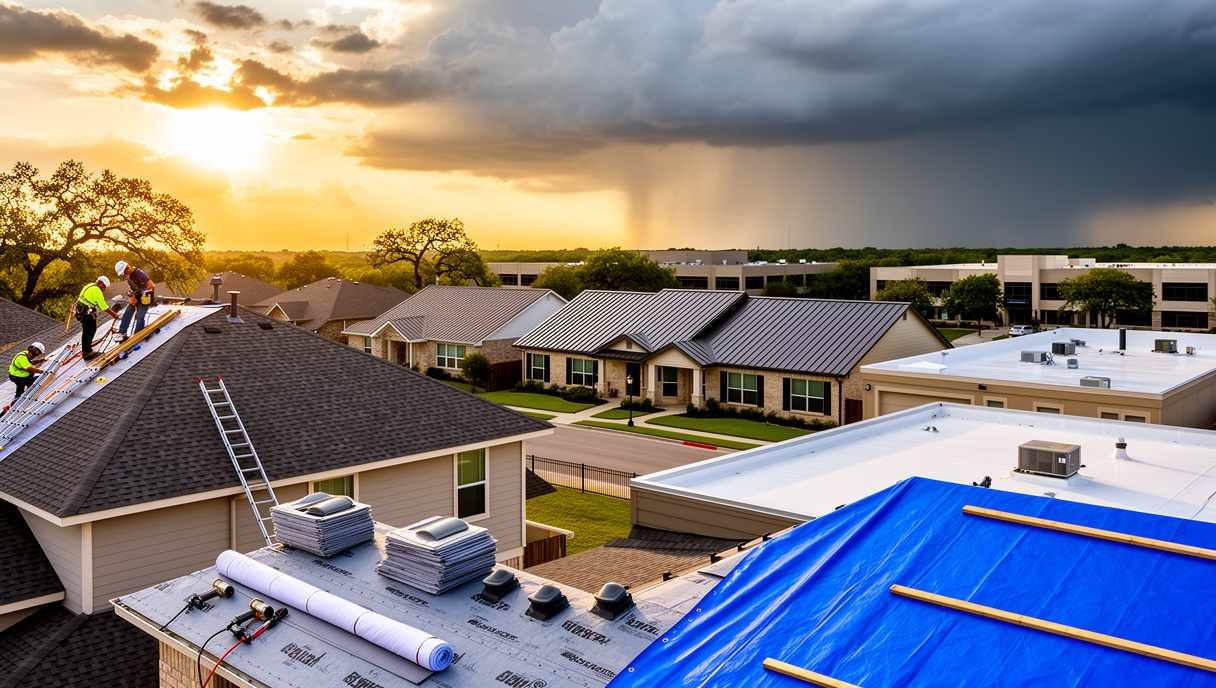
Consider a typical residential case study: a late-spring hail event leaves dents on vent caps and dings on gutters in a Cedar Park subdivision. A swift response team documents damages, installs emergency protection where needed, and conducts a comprehensive inspection. They identify compromised shingles, recommend an impact-rated product for replacement, and suggest adding ridge vents to improve attic ventilation during summer. The result? A stronger, more energy-efficient roof that enhances resale value and reduces the risk of future storm-related repairs. From emergency tarping to precise roof repair, the best contractors pair technical skill with clear communication so homeowners and property managers always know what’s next—and why it matters.
How to Choose the Right Contractor: Pricing, Process, and Peace of Mind
Finding the right partner starts with verification. Your roofer should carry current liability insurance and workers’ compensation, be registered or licensed where applicable, and have a track record in Cedar Park and surrounding communities. Look for manufacturer certifications (such as from leading shingle and membrane brands) that can unlock extended warranties and signal advanced training. Ask for local references you can actually drive by and inspect—nothing beats seeing real roofs in real neighborhoods after several seasons of Texas weather.
Next, review the proposal. A trustworthy professional will provide a detailed, line-item scope that covers tear-off (if applicable), deck repair allowances, underlayment type, flashing metal, venting strategy, starter and ridge components, fastener specifications, and disposal. They’ll address code compliance, permits, and inspection milestones. For roof replacement, confirm ventilation calculations and whether the plan includes upgrades to improve energy efficiency—think radiant barriers, cool-roof shingles, or well-designed ridge and soffit vents. For flat roofing, ask about membrane thickness, seam welding methods, insulation R-values, and the plan to manage ponding water.
Pricing should be transparent and tied to measurable outcomes, not vague promises. Beware of unusually low bids that skip essential details like proper flashing, quality underlayment, or verified ventilation—shortcuts here lead to long-term costs. Also be cautious of high-pressure tactics, out-of-area “storm chasers,” or companies that won’t provide local references. A local Cedar park roof contractor who understands city permitting, HOA nuances, and regional storm patterns will set realistic schedules, communicate clearly, and stand behind their work long after the final inspection.
Finally, think beyond installation. The best teams offer routine maintenance and roof inspections tailored to our climate. That might include cleaning debris after windy spells, resealing penetrations annually, checking for UV cracking around chimneys and skylights, and ensuring gutters are free-flowing before heavy rains. If you manage multiple properties in areas like Leander, Round Rock, or Georgetown, consider a proactive maintenance plan to reduce emergency calls and extend the service life of each roofing system. When your contractor aligns material quality, correct installation, and ongoing care, you get more than a new roof—you get reliable protection, lower utility costs, and the confidence that your property is ready for whatever Central Texas weather brings.

Born in Sapporo and now based in Seattle, Naoko is a former aerospace software tester who pivoted to full-time writing after hiking all 100 famous Japanese mountains. She dissects everything from Kubernetes best practices to minimalist bento design, always sprinkling in a dash of haiku-level clarity. When offline, you’ll find her perfecting latte art or training for her next ultramarathon.