When a project stalls because a tiny connector is missing, a screw head strips at the worst possible time, or a broken latch keeps a favorite device from working, you need a dependable place to find the exact piece that solves the problem. That’s where Harfington stands out: a focused destination for practical parts and project-ready gear. From hardware tools and electronics parts to industrial accessories, repair supplies, and home and garden upgrades, the platform brings together a broad inventory that helps makers, maintainers, and managers keep things running. Explore harfington to quickly track down the small items that make a big difference, whether you’re tuning up a workstation, reviving an appliance, or supporting a production floor that can’t afford downtime.
What Sets Harfington Apart: Breadth of Selection and Everyday Utility
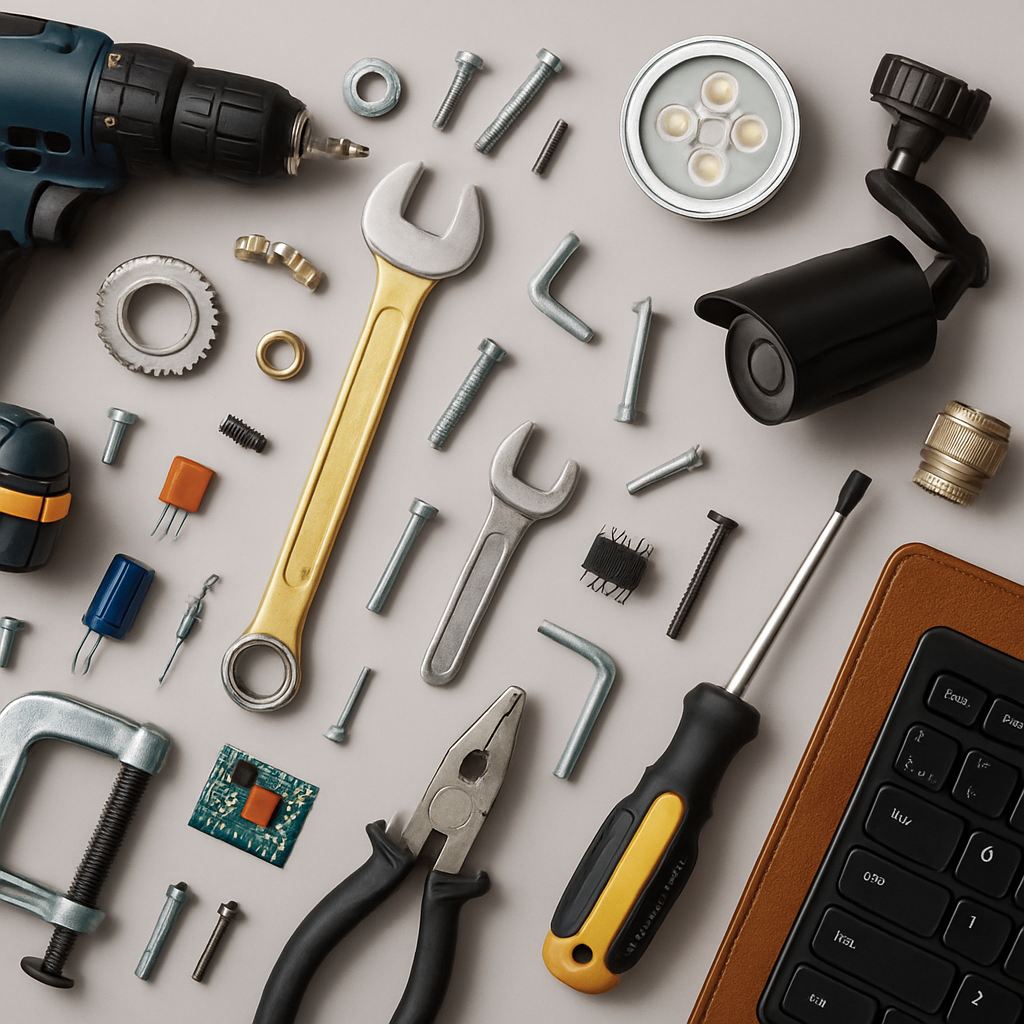
Online parts shopping only works when variety, clarity, and practicality show up together. Harfington leans into that reality by curating a wide range of categories that cover both household fixes and shop-floor needs. You’ll find staples such as fasteners and general-purpose tools alongside targeted electronics parts and wiring bits that unlock quick board-level or device repairs. The catalog spans auto-related items and industrial accessories for maintenance teams, plus office and computer accessories for smoother day-to-day operations. Rounding out the mix are lighting components, security items, and garden improvement supplies—items that often end up on the same to-do list when you’re upgrading a workspace or prepping a property for the season.
This breadth is especially useful when a project demands cross-category solutions. Imagine a home workshop overhaul: you might need bins and labels from office accessories; cable clips and adapters from computer accessories; a selection of screws and anchors from fasteners; and replacement switches or connectors from electronics parts to give a bench light a new lease on life. With a single sourcing path, it’s easier to build a complete cart without jumping between multiple stores or settling for mismatched components.
There’s also practical value in the way Harfington supports different levels of expertise. If you’re a facility technician focused on reliable spares, you’ll care about standardization—having commonly used fasteners, ties, terminals, and protective pieces ready for recurring maintenance jobs. If you’re a weekend builder, you’ll care more about user-friendly DIY solutions like universal hardware kits, simple repair sets, and plug-and-play accessories. Either way, having a one-stop catalog for “small-but-critical” parts removes friction from planning, and makes it more likely your project gets finished on time.
How to Choose the Right Parts Online: A Practical Buying Framework
Successful sourcing starts with a clear problem statement. Before searching, define the function the part must fulfill, the environment in which it will operate, and the constraints that matter most—size, compatibility, safety, and durability. Then use a simple checklist to target the right items from Harfington’s lineup of hardware tools, electronics parts, and industrial accessories.
– Specifications first: For electronics, note voltage, current, connector style, and pin spacing. For mechanical pieces, confirm thread size, pitch, head type, and material. For replacement housings or brackets, measure carefully—length, width, depth, and mounting hole pattern. A few extra minutes with a caliper or ruler prevents misfits later.
– Material matters: Match materials to the job. Stainless steel or coated fasteners excel outdoors or in humid spaces; brass can resist corrosion in certain water-contact scenarios; nylon hardware reduces weight and electrical conductivity; silicone and rubber grommets add vibration damping and strain relief. For garden improvement or exterior lighting parts, look for weather-resistant plastics and finishes designed for UV exposure.
– Fit and compatibility: Cross-reference the original part code when possible, and verify the dimensions or interface type against the replacement. For example, swapping a panel switch involves checking cutout dimensions and terminal style, not just appearance. In a computer accessory context, ensure cables and adapters match port standards and bandwidth needs to avoid performance bottlenecks.
– Assembly and safety: Consider the tools and consumables needed to complete the repair. Precision screwdrivers, torque-limiting drivers, heat-shrink, solder sleeves, threadlocker, cable ties, and strain relief boots are small items that turn a “temporary fix” into a professional, lasting solution. If you’re working near sensitive circuitry, add basic ESD precautions and choose components rated for the application’s electrical and thermal demands.
– Plan for the lifecycle: For frequently serviced equipment, standardize on a set of parts you can reorder easily—common fastener sizes, spare switches, connectors, and protective caps. Grouping items into small kits (for example, a maintenance pouch with fuses, screws, and terminal ends) shortens downtime when something fails and keeps your workshop or toolbox organized.
Using this framework helps anyone—from hobbyists tackling their first game controller repair to maintenance teams refreshing guard fixtures—translate a need into an accurate, complete parts list. The result is fewer returns, fewer delays, and more confident, repeatable repairs using accessible repair supplies and well-chosen accessories.
Real-World Scenarios: From Quick Fixes to Workshop Overhauls
– The five-minute appliance save: A vacuum’s access panel won’t stay shut because its tiny screw is stripped. With a small set of replacement fasteners and a compact driver from Harfington’s selection, you can refit the panel using a proper thread type and add a dab of low-strength threadlocker to prevent future loosening. The outcome: a tool that works like new, and a repair that costs less than a cup of coffee.
– Electronics tune-up at home: A wireless controller develops a sticky button and intermittent connection. Combine a precision screwdriver kit with a replacement switch or contact pad from the electronics parts range, plus isopropyl-safe cleaning swabs and a modest amount of conductive grease if needed. While the controller is open, replace worn screws with properly sized alternatives from the fasteners category. The upgrade restores reliable inputs and extends the device’s life by months or years.
– Office and workstation refresh: Cable clutter undermines efficiency and safety. By pairing computer accessories like adapters and cable management clips with general tools and adhesive-backed fastener solutions, you can create a clean, labeled routing system behind desks and meeting-room displays. Add lighting components—replacement sockets or diffusers for task lamps—to improve visibility where it matters most. A clearer workspace reduces snags, saves wear on connectors, and projects a more professional image for clients and teams alike.
– Light maintenance on the shop floor: A small fabrication area relies on consistent uptime. Stocking standardized industrial accessories and common spares—assorted machine screws, nuts, washers, wire terminals, strain reliefs, and protective caps—streamlines routine checks. When a guard plate loosens or a junction box needs re-termination, the fix is quick because the correct hardware and connectivity pieces are already on hand. Including select security items like lockable hasps or tamper-evident seals can help keep tools and sensitive components where they belong without overcomplicating daily operations.
– Garden and exterior improvements: Seasonal prep often reveals small failures—cracked hose fittings, loose brackets on outdoor fixtures, or weathered cable clips along a fence line. Use garden improvement supplies paired with corrosion-resistant fasteners and UV-stable mounting options to re-secure fixtures and tidy up lines. When lighting parts need attention, matching socket types and ensuring appropriate weather protection transforms a dim path into a safer, more inviting walkway.
Across these scenarios, a common thread emerges: project success depends on having the right small parts and repair supplies when you need them. By combining versatile categories—fasteners with electronics parts, lighting components with tools, computer accessories with office aids—you can build solutions that are both durable and tidy. Whether you’re extending the life of a favorite device, keeping a workspace compliant and organized, or ensuring a maintenance task takes minutes instead of hours, the right mix of practical components is the quiet engine behind every smooth-running setup.

Born in Sapporo and now based in Seattle, Naoko is a former aerospace software tester who pivoted to full-time writing after hiking all 100 famous Japanese mountains. She dissects everything from Kubernetes best practices to minimalist bento design, always sprinkling in a dash of haiku-level clarity. When offline, you’ll find her perfecting latte art or training for her next ultramarathon.