Typing “car insurance near me” is the easy part. The hard part is choosing coverage that reflects how you actually drive in Miami—from bumper-to-bumper on the Palmetto to sudden downpours during hurricane season, plus crowded street parking and weekend beach runs. Local conditions matter. Rates, coverage options, and even claims experiences can vary from neighborhood to neighborhood, and having a policy tailored to Miami’s realities can be the difference between a hassle and real help when you need it most. Here’s how to cut through the noise and find flexible, smart protection that keeps your budget intact and your car—and your peace of mind—ready for the road.
What “Car Insurance Near Me” Really Means in Miami
In Florida, understanding the basics is step one. As a no-fault state, Florida requires Personal Injury Protection (PIP) and Property Damage Liability (PDL). PIP helps pay for your medical expenses regardless of who caused the crash, while PDL covers damage you may cause to someone else’s property. Bodily Injury Liability (BI) isn’t mandated for most drivers, but it’s strongly recommended in Miami, where traffic density and higher-speed corridors increase the stakes of any collision. Opting for BI—and matching it with Uninsured/Underinsured Motorist (UM) coverage—helps protect your finances if an at-fault driver doesn’t have enough insurance to cover injuries.
Beyond the legal minimums, consider how you actually use your car. Daily I-95 commutes and parking in tight garages put a premium on Collision coverage to fix your vehicle after an at-fault crash, while Comprehensive covers non-collision losses like theft, vandalism, falling objects, and storm damage—key in a coastal city. In South Florida, heavy rain and tropical weather can mean downed branches, flooded streets, and flying debris. Comprehensive can also help with glass damage, and many Florida policies include low or even no deductible for windshield repair or replacement. If your vehicle is financed or leased, Gap coverage can bridge the difference between what you owe and your car’s actual cash value after a total loss.
Choosing coverage limits and deductibles is a balancing act. Higher deductibles may lower premiums, but make sure you can comfortably pay that amount in an emergency. For many Miami drivers, stepping up to higher liability limits (for example, moving beyond bare minimums) offers peace of mind given local traffic patterns and medical costs. UM coverage that matches your BI limits is a smart add-on, considering how many drivers carry only basic protection.
If you’re starting from scratch or comparing quotes, one simple way to get oriented is to search for car insurance near me and review options that emphasize Florida-specific guidance. Look for help evaluating PIP coordination with your health insurance, recommendations for hurricane-season prep, and direct answers on what’s covered when a valet, roommate, or visiting relative drives your car. The right local support should make these decisions easier, not more complicated.
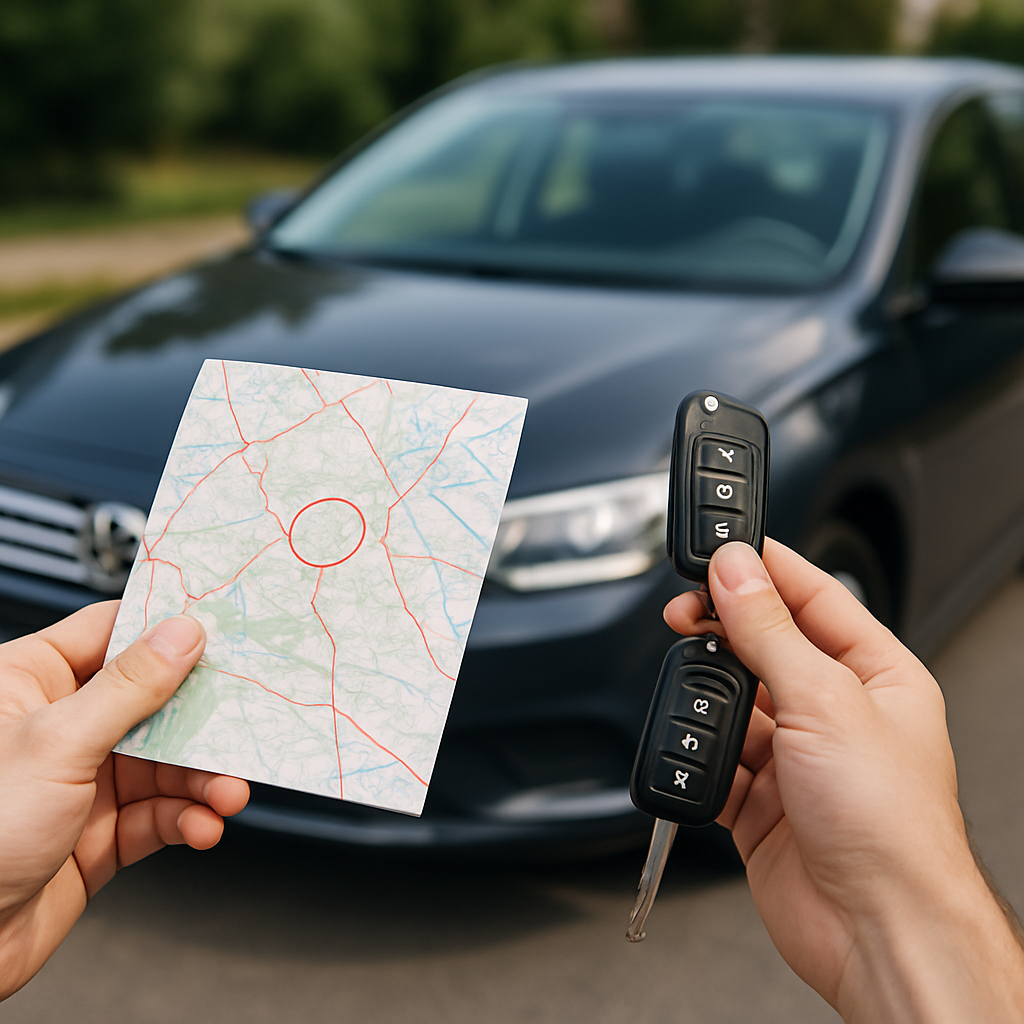
How to Compare Quotes and Customize Coverage Locally
Prices in Miami are influenced by many factors: your ZIP code, driving history, age of your vehicle, annual mileage, prior insurance continuity, and even whether you regularly park in a garage or on the street. Because traffic patterns and claim frequencies can vary between areas like Brickell, Kendall, Doral, Hialeah, and Miami Beach, localized data matters. Two similar drivers can see different rates simply because one lives in a heavier-loss ZIP code. That’s why comparing multiple, locally informed quotes is critical.
When you compare, start with coverage first—then price. Think in layers. The foundational layer includes PIP, PDL, and (preferably) BI and UM. Next consider how you drive. If you use rideshare platforms like Uber or Lyft, ask about endorsements that fill the gap when the app is on but you don’t yet have a passenger. If you commute far or travel frequently on the Dolphin or Palmetto, rental reimbursement can keep you moving after a covered claim. Drive late-night or rely on valet? Comprehensive and roadside assistance gain importance.
Discounts can meaningfully reshape the bottom line. Bundling auto with home or renters can be powerful in Miami’s housing mix. If you have a teen driver, look into good-student and driver education discounts, and ask about telematics programs that reward safe habits with potential savings based on real-time driving. Mature drivers may save with accident forgiveness or claim-free discounts. Installing anti-theft devices and using secure parking can also help. If you’ve had serious violations or a DUI, Florida’s FR-44 or SR-22 requirements change what you must carry; you’ll want straightforward guidance on meeting filings while keeping costs manageable.
Be strategic with deductibles. Increasing a comprehensive or collision deductible can lower the premium, but do the math on potential out-of-pocket costs after a storm or minor collision. Meanwhile, review medical coverage choices: between PIP, potential Medical Payments coverage, and your health insurance, you want coordinated benefits—especially if family members ride in your car frequently. Finally, verify how claims are handled. In a city where repair shops are busy and parts shortages are real, ask about preferred repair networks, OEM vs. aftermarket parts, and whether mobile glass services are included. You’re not just buying a rate; you’re buying a process that should work smoothly when life gets complicated.
Real-World Miami Scenarios: Coverage That Actually Helps
Picture Ana, who lives in Brickell and commutes on I-95. One morning, a truck kicks up debris that cracks her windshield. Because she added Comprehensive coverage—and her policy features no-deductible glass repair—the fix is easy and fast. No frantic shopping for a random glass company, no out-of-pocket surprise. For high-rise residents who park in garages or along busy city streets, that kind of targeted protection provides everyday convenience as much as financial safety.
Now consider Carlos in Kendall. After a late-summer downpour, a street near his home floods quickly. He tries to navigate but stalls in water that turns out to be deeper than it looks. Water damage is a classic Comprehensive claim. Without that coverage, he’d be on the hook for extensive repairs—sometimes a total loss if electronics, engine components, or interiors are severely affected. With it, he can focus on getting to work while the claims team manages towing, estimating, and settling. If he also chose rental reimbursement, he won’t miss a beat while the shop evaluates the vehicle.
For the Lopez family in Westchester, adding their teen driver raised new questions. They boosted their liability limits to protect savings and retirement accounts, matched UM limits to BI, and enrolled their teen in a telematics program that rewards safe habits. The good-student discount helped offset costs, and the family reviewed PIP and Medical Payments options to make sure injuries would be addressed quickly if something happened during a school commute. They also scheduled a policy review timed to their teen’s first year behind the wheel, so adjustments could be made as experience grew.
Finally, meet Sofia in Miami Beach, who uses her car for weekend rideshare driving. She learned that personal auto policies don’t automatically cover every stage of rideshare activity. By adding a rideshare endorsement, she closed the coverage gap in the “app on, waiting for a request” period. That decision proved invaluable months later when a fender-bender occurred before she’d accepted a ride. The endorsement simplified the claim and avoided a costly denial. For Miamians who balance side gigs with full-time jobs, these tailored add-ons are the difference between assumptions and certainty.
Local context shapes every one of these outcomes. Dense traffic corridors like the Palmetto, Dolphin, and Golden Glades Interchange mean a higher probability of multi-vehicle incidents. Popular nightlife areas and seasonal tourism can boost exposure to parking-lot bumps or hit-and-run situations—scenarios where Collision and robust UM (for injuries) prove their value. Meanwhile, coastal weather calls for attention to flood-prone streets and flying debris during storm season. Even driving times matter: late-night or early-morning schedules can influence risk patterns. A locally attuned policy anticipates these realities, so your coverage is aligned with how—and where—you actually live and drive.
The takeaway is simple: in Miami, coverage design is everything. Think beyond a quick quote. Align PIP, BI, and UM with realistic limits; choose Comprehensive and Collision deductibles that you’re comfortable paying; consider endorsements for rideshare, roadside assistance, rental reimbursement, and custom equipment. Then, verify how claims will be handled in the real world, from glass repair to preferred body shops. With a locally informed approach, “near me” stops being just a search phrase and becomes a policy that travels with you—over the causeway, down Biscayne, and wherever the next weekend takes you.

Born in Sapporo and now based in Seattle, Naoko is a former aerospace software tester who pivoted to full-time writing after hiking all 100 famous Japanese mountains. She dissects everything from Kubernetes best practices to minimalist bento design, always sprinkling in a dash of haiku-level clarity. When offline, you’ll find her perfecting latte art or training for her next ultramarathon.