The Danish Art of Scent: Minimalism, Memory, and Modern Luxury
There is a poetic restraint to Scandinavian design: purity of line, honest materials, and a quiet confidence that lets quality speak. That same philosophy finds a natural expression in fine Fragrance, where every note has purpose and every accord is crafted with care. In this landscape, HOUSE OF ZIGGIMAY invites wearers into a universe where Nordic elegance is not a trend but a sensibility. The brand views scent as architecture for the senses—clean structures built from nuanced textures, light, and shadow—resulting in Luxury perfume that captures place, season, and feeling with remarkable precision.
To understand the distinction of Danish perfume, think less about opulence and more about intent. The palette often echoes northern vistas: salted air moving over dunes, pale sunlight on birch bark, resin warmth from conifer stands, and the cool, mineral hush of stone harbors. These impressions do not overwhelm; they reveal themselves in layers. A top accord might evoke crisp morning brightness, the heart could swell with muted florals or tea-like greens, and the base may rest on dry woods or subtly smoky undertones. It is a choreography of clarity where nothing is superfluous and everything is meticulously placed.
Such restraint does not preclude indulgence—on the contrary, it redefines it. The luxury here is the luxury of attention. Being Made in Denmark is more than origin labeling; it signals a mindset: local craft, a transparent creative process, and a reverence for materials. The bottle’s weight, the tactile neutrality of a matte label, and the quiet click of a precision cap become part of the experience. In an age of sensory overload, this is a different proposition: perfumes that find strength in calm and character in understatement, designed for those who prefer a signature that whispers first and lingers long after.
Worn to an art opening in Copenhagen or a winter dinner by candlelight, these compositions feel at home because they were born from the rhythms of northern life. Perfume becomes a personal landscape—intimate, intelligent, and distinctly contemporary—offering a new grammar of luxury that favors purity over spectacle and depth over noise.
From Molecule to Memory: The Discipline of the In-House Perfumer
Behind a disciplined scent language stands an equally disciplined craft. The role of an In-house perfumer is to translate vision into olfactive form without losing nuance to shortcuts. Working end to end allows for precision: the brief becomes a blueprint, raw material selection is handled with curatorial focus, and every trial is documented in a living archive of formulas and evaluations. This continuity is rare, and it shows in the coherence of the final blend—no outsourced edges, no misaligned intentions, just a singular hand guiding each stage.
Consider the raw materials as a Nordic pantry. Bright aldehydes can sketch the cool clarity of northern light; juniper and pine add crisp, resinous lift; heather, angelica, or chamomile lend herbal transparency; while birch, cedar, and dry amber woods provide scaffolding. A whisper of mineral facets suggests clean stone after rain. The perfumer balances these with global staples—bergamot for lift, rose or orris for poise, musks for a polished finish—resulting in an aroma profile that is simultaneously universal and local. Every choice maps to a sensory intention: a top that breathes, a heart that hums, and a base that lingers with quiet conviction.
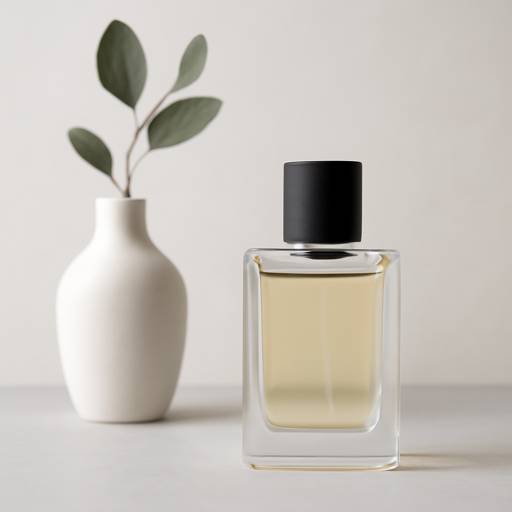
Technique ensures that intention survives the bottle. Maceration time is not guesswork; it is measured, tested, and repeated until the accord settles. Cold filtration can preserve delicate facets that heat would strip, while controlled maturation allows disparate notes to bind into a seamless whole. Fixatives are chosen not to dull sparkle but to anchor it, so projection remains refined and longevity steady. The wearer experiences this as a polished evolution: a clean opening that unfolds into textured warmth, then a confident, skin-close trail that lasts until the day’s end.
Crucially, this process respects sustainability and responsible sourcing. The discipline of being Made in Denmark often includes rigorous supplier audits, traceable ingredients where possible, and an emphasis on concentration that avoids excess. Packaging tends toward understated durability: thick glass for stability, recyclable components where feasible, and refill strategies that value longevity. The result is Fragrance treated as cultural craft—enduring rather than disposable—guided by a studio that keeps creativity, quality, and ethics in one continuous loop.
Scentscapes in Practice: Wearability, Ritual, and Real-World Examples
Abstraction becomes meaningful only when it meets life. Imagine a composition nicknamed “Harbor Light at Dusk,” a modern study in balance. The opening strikes with effervescent aldehydes and a taut citrus—think bergamot cut by a saline breeze—conjuring the first inhale along a quay. The heart reveals pale florals and tea-leaf greens, never sugary, always clean. As hours pass, dry wood, airy musks, and a trace of smoky birch assert themselves, evoking weathered planks and hearth glow. This is not a spectacle scent; it is a signature aura, projecting an arm’s length early on and then settling into a confident, intimate presence suitable for gallery nights or boardroom mornings.
Another study, “Nordic Linen,” explores texture rather than place. Top notes mimic the snap of freshly ironed cloth—aldehydes with a powdered coolness—followed by orris, angelica, and soft spice that suggest warmth meeting chill. The base is quiet yet architectural: cedar, ambrette musk, and a gently mineral amber. This composition teaches the beauty of restraint: each spray creates sheen, not glare; clarity, not volume. It’s the olfactive equivalent of a tailored jacket—simple to see, complex to construct, and endlessly versatile.
Wearers often report a satisfying evolution curve. In the first hour, brightness and lift carry social settings with ease; mid-wear, the heart folds into skin, making space for conversation rather than competing with it; by late afternoon, a refined trail persists—a private reminder rather than a room-filling statement. Layering can tailor mood: pairing a clean, saline-forward Fragrance with a woody musk amplifies evening depth; adding a sheer floral solinote lightens a composition for spring. Because the builds are meticulously balanced, they accept layers without collapsing into muddiness.
Ritual matters. A light mist on scarf or wool coat extends presence while preserving subtlety; pulse-point application near the collarbone encourages a gentle sillage that rises as the body warms. In transitional climates, two-spray mornings and a single-refresh afternoon maintain poise without fatigue. Even storage is considered: keeping bottles away from sunlight preserves the top’s radiance and the base’s integrity—an easy practice that honors the craft inside.
Case studies from creative professionals and minimalists alike point to a shared preference: considered luxury. They seek Luxury perfume that complements, not dominates; materials that feel honest; design that communicates without shouting. This is where Nordic elegance proves its staying power. By focusing on proportion, air, and clean lines, these compositions move from trend to timeless, aligning with wardrobes built on impeccable fit and enduring fabrics. For those who desire an identity in scent—something unmistakably modern yet serene—Danish perfume offers a compass, and the studio practice behind it ensures the needle never wavers.

Born in Sapporo and now based in Seattle, Naoko is a former aerospace software tester who pivoted to full-time writing after hiking all 100 famous Japanese mountains. She dissects everything from Kubernetes best practices to minimalist bento design, always sprinkling in a dash of haiku-level clarity. When offline, you’ll find her perfecting latte art or training for her next ultramarathon.