What AI Landscape Design Really Means—and How It Works
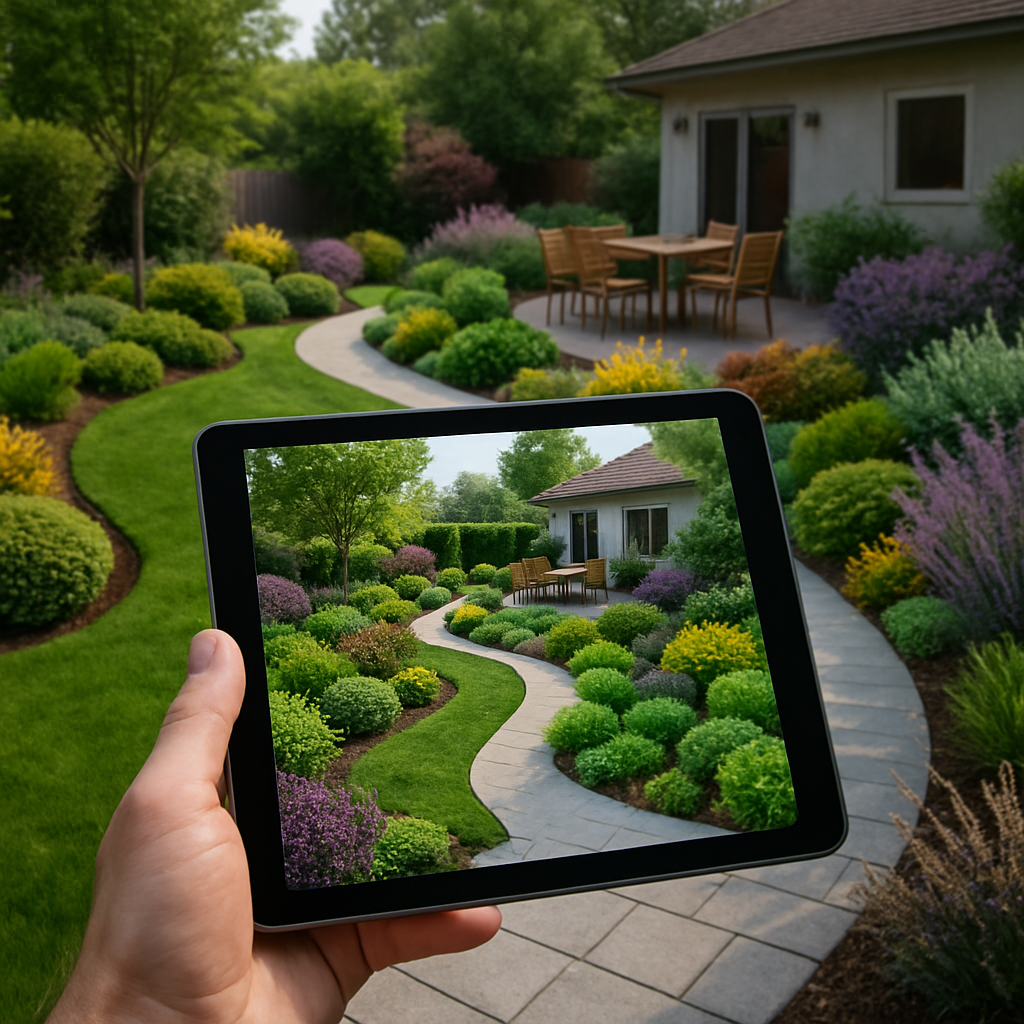
AI landscape design is reshaping how homeowners, designers, and real estate professionals imagine outdoor spaces. Instead of relying solely on sketches or sifting through countless inspiration photos, people can now generate tailored concepts from a single yard photo. Behind the scenes, computer vision identifies existing features—trees, fences, driveways, turf, beds—while generative models propose harmonious layouts, plant palettes, and material choices. The result: detailed visual ideas that make it easy to compare options and move confidently from concept to construction. In short, visualization meets practicality, saving time and reducing guesswork.
The workflow is simple but sophisticated. Upload a clear photo of the area, describe goals in plain language, and select preferred styles—modern, naturalistic, Mediterranean, cottage, or drought-tolerant. The system can infer sun and shade patterns from shadows, read slopes from perspective, and preserve architectural context so hardscape aligns with the home. It then renders multiple variations, allowing fast iteration on patios, pathways, lawns, garden beds, pergolas, water features, and lighting. You can request native plant palettes, specify low-maintenance care, or emphasize pollinator-friendly gardens that support local ecology.
What makes AI-powered landscaping distinct is its ability to combine inspiration with constraints. Rather than generic templates, the designs adapt to your photo, scale, and stated budget. You can compare a stone terrace versus a composite deck, test edging profiles, or see how a curved path improves flow. If a family wants room for kids and pets, the tool reshuffles elements without losing balance. If a property faces drought or water restrictions, it proposes xeriscape concepts with permeable surfaces and mulch. This flexibility turns early-stage planning into a vivid, low-risk exploration.
Crucially, AI complements—not replaces—professional design and build expertise. Consider the technology a fast, insightful concept engine that accelerates decision-making. Use it to align stakeholders, secure HOA approvals, and validate the general direction before signing contracts. Platforms such as ai landscape design let you upload a yard photo, describe your goals, and instantly preview multiple looks so you can refine layout, materials, and plant choices with clarity. When it’s time to build, you’ll bring a cohesive vision, fewer change orders, and a clear set of references to the contractor.
Real-World Scenarios: Patios, Gardens, and Curb Appeal That Win Buy-In
Imagine a small backyard that feels cramped and underused. A homeowner wants a cozy dining area, a grill station, and simple plantings that thrive with minimal upkeep. With AI landscape design, they upload a photo, request a 12-by-12 paver patio, native shrubs for privacy, and a dog-friendly turf zone. Within minutes, they can compare herringbone versus stacked-bond patterns, see how a shade sail changes comfort, or swap a wooden bench for built-in seating. Because the visuals are anchored to their actual yard, it’s easier to plan materials, estimate costs, and avoid mistakes—like undersizing pathways or crowding plant beds.
Designers and landscape contractors benefit from faster concept cycles. For a client who can’t picture a naturalistic meadow versus a formal parterre, AI generates contrasting schemes against the same home facade. Pros can annotate renders with plant tags and notes, testing bloom sequences or fall color without drafting a full CAD plan. This speeds approvals and reduces scope drift. It’s also invaluable for showing scale: the difference between a 24-inch and 36-inch path, or how the reach of a pergola beam impacts headroom and shade. By pre-visualizing options, practitioners secure buy-in before committing hours to detailed documentation.
Real estate teams use AI-driven visuals to elevate listings and pre-sale consultations. A tired front yard with patchy turf can be reimagined with clean borders, ornamental grasses, and a low stone wall—demonstrating achievable curb appeal. While renders aren’t construction documents, they help buyers and sellers see potential, plan weekend spruce-ups, or invest in targeted upgrades that boost value. Even seasonal projections—spring blooms, summer fullness, winter structure—teach clients how the property lives year-round, setting realistic expectations for growth, maintenance, and long-term enjoyment.
Local relevance matters, and AI helps express it. Regional prompts guide plant selection by hardiness zones, rainfall, and sun intensity. Coastal clients can explore salt-tolerant species; arid regions emphasize water-smart palettes and permeable hardscapes; woodland lots test deer-resistant mixes. The tool can encourage practical add-ons—drip irrigation, rain gardens, or mulch basins—to handle stormwater. It also aids in anticipating code and HOA constraints: front yard fence heights, driveway setbacks, or sightline rules. By marrying aesthetics with regional best practices, AI landscape design turns inspiration into grounded, buildable direction.
Best Practices to Get the Most from AI Landscape Design
Great outputs start with solid inputs. Provide sharp, well-lit photos from multiple angles, and note measurements like property width, patio targets, or bed depths. Include sun orientation and any site quirks: drainage issues, tree roots, utility boxes, or uneven grades. Mention must-keep elements—a mature maple, a view corridor, a playset—and must-fix pain points like muddy entries or unsafe steps. The more context you give, the smarter the layout becomes. When possible, capture the home’s architectural details so the hardscape—pavers, walls, pergolas—aligns with style, color, and proportion.
Clarity in prompts is key. Instead of “make it nicer,” try “modern patio with warm-gray porcelain pavers, low-voltage path lights, native grasses, and year-round interest; low-maintenance; budget-conscious.” Add use cases—family dining, grilling, kids’ play, quiet reading corner—and performance goals like “privacy from street,” “wind buffer,” or “shade by 3 p.m.” Define maintenance tolerance and irrigation preferences. If accessibility is a priority, request smooth, slip-resistant surfaces, gentle slopes, and 36-inch minimum path widths. A precise brief guides the AI to propose solutions that match real-life needs and elevate everyday comfort.
Sustainability and resilience shine when built into the concept phase. Ask for native or climate-adapted plant mixes that support pollinators and reduce water demand. Consider permeable pavers, bioswales, and rain gardens to manage runoff and recharge soils. Where fire risk is present, favor fire-wise spacing and species. Explore edible elements—herb boxes, espaliered fruit, or raised beds—without overwhelming circulation. Lighting plans can prioritize energy-efficient fixtures and dark-sky practices. By weaving these principles into early renders, you create landscapes that are beautiful, functional, and future-ready, with lower long-term costs.
Transitioning from concept to construction works best with purposeful collaboration. Share selected visuals with your contractor, highlight must-haves, and invite feedback on grading, drainage, and constructability. Convert the chosen concept into a simple scope list: square footage of pavers, linear feet of edging, quantities of shrubs and perennials, mulch depth, and lighting counts. Request material samples to confirm color and texture. If phasing is necessary, prioritize infrastructure first—drains, irrigation sleeves, base prep—so later additions integrate seamlessly. Always verify local codes and call utility marking services before digging. AI can set direction; professional plans and field expertise make it safe and enduring.
Finally, approach AI landscape design as a visioning tool, not a literal build sheet. Renders may take artistic liberties with scale, seasonal density, or bloom times. Use them to evaluate layout logic, material relationships, and planting intent, then refine with measured plans or a pro’s site survey. Combine AI visuals with plant lists tied to your region, and confirm right plant, right place. This balanced workflow—clear inputs, precise prompts, sustainability goals, and professional validation—unlocks the full power of AI-powered landscaping, turning a single photo into a compelling, buildable roadmap for your outdoor space.

Born in Sapporo and now based in Seattle, Naoko is a former aerospace software tester who pivoted to full-time writing after hiking all 100 famous Japanese mountains. She dissects everything from Kubernetes best practices to minimalist bento design, always sprinkling in a dash of haiku-level clarity. When offline, you’ll find her perfecting latte art or training for her next ultramarathon.